Snacking Dichotomy

Blink:

I have previously posted about consumer food choices, specifically as it relates to key decision drivers – one being improved nutrition (e.g., increased fiber, sugar reduction). Recently I learned about the food dichotomy between indulgent versus health & wellness, especially when it comes to snacking.

Read On:

The CEO of Hostess Brands, Inc. during an appearance on” Yahoo! Finance” discussed the robust growth of snacking, a macro trend which accelerated during the pandemic. Nearly 50% of consumers, according to his company’s consumer data, on average snack three or more times a day an increase of 8% in the past two years. He also stated indulgent snacks are increasing at a greater rate than health & wellness or functional snacks. In response, Hostess in order to drive their overall category growth is marketing smaller, convenient bite size snacks so consumers do not compromise their craving for indulgence.

Note: The IFIC (International Food Information Council) just released their annual survey which indicated snacking frequency remained elevated for the second straight year. 72% of Americans snack at least once a day in addition to their main meals, the most common reason (41% an increase from 34% since 2022) respondents attributed to hunger or thirst. Other top reasons for snacking include the perception that snacks are a treat (29%) and the desire for sweet (21%) and salty (21%) snacks.

U.S. snack sales last year surpassed $180 billion, an 11% increase versus the previous year. Who are some of the market leaders in the snacking category? Reese’s, Lays, Hershey’s, M&M’s, Doritos, Oreos, Cheetos, Snickers, and Kit Kat bars to name a few. Sounds like a lot of cookies, crackers, bars, chips, and treats – not exactly an assortment of healthy snacks. Hence, what about all the hype regarding Americans eating healthy? According to Statista Consumer Insights, 50 percent of Americans claim to actively try to eat healthy according to their own testimonies. The fact is most people in the United States do not eat a healthy diet and consume too much sodium, saturated fat, and sugar, increasing their risk of chronic diseases. For example, fewer than 1 in 10 adolescents and adults eat enough fruits or vegetables (note: both can be consumed as snacks). Three more documented facts which are telling of the American eating behavior:

  • The Centers for Disease Control and Prevention found out that more than 36 percent of Americans are consuming fast food regularly, to the extent that on any given day, a third of Americans are eating from fast food restaurants.
  • A survey conducted by the Cleveland clinic disclosed 46 percent of U.S. adults said a barrier to eating more healthy foods was their price. Almost a quarter of Americans stated that they had little time to cook and prepare healthy foods, while 20 percent said they did not know how to cook healthy foods.
  • IFIC reported limiting the amount of sodium and sugar in foods for their health/diet to be 55% and 45% respectively among their survey respondents. Relatively low or indicative of consumers craving for salty and sweet snacks in the afternoon and evening thus the rationale for the robust snack sales for the category leaders listed above.   

Later today when you experience a hunger bout and desire a snack, think about this post. You will need to choose between an indulgent or health & wellness food product. Is there a dichotomy when it comes to making a snacking decision?

Opinions Welcomed!
Forever Relevant – A Memorable Day

A year ago, today I fulfilled my mother’s wish and scattered her ashes in the shimmering Mediterranean Sea.

A Touch of Humanity    

Blink:

Candidly. I am getting drained staying informed about our toxic turvy world. The war in Ukraine, U.S. gun violence, the spike in hate crimes, the prolonged global pandemic. What is going on with humanity? Being a pragmatist, on a micro level, I still remain positive especially after this past Thursday.

 Read On:

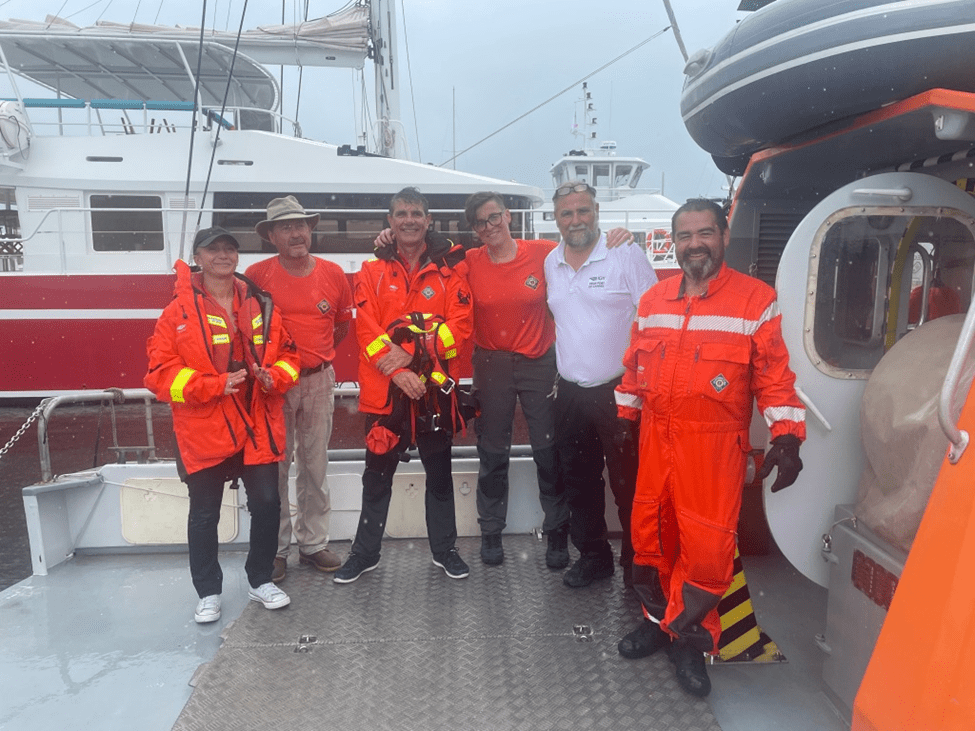
My mother passed away in April at 102-years and 3-months old. It was her dream to move on in the south of France and have her ashes scattered in the shimmering Mediterranean Sea. Last Thursday was a special day as I fulfilled her wish.

To make it happen, I made arrangements with the Les Sauveteurs (Lifeguards) en Mer in Cannes. I identified a captain who would take me out during his lunch hour to scatter my mother’s ashes. He needed a crew of four, thus went online for volunteers. Six people signed up. Ironically the Mediterranean was not shimmering last Thursday. It was pouring rain. The captain navigated the rescue boat to a location I had designated. When we arrived at the spot, the rain stopped and we conducted a brief ceremony. On the way back to the port, I asked those volunteers who spoke English why they signed up. Their reply: they enjoy helping people, especially someone who wanted to conduct a special ceremony. A truly amazing experience I shared with seven strangers further validating for me, despite what is going on in this world, there is still a bright side to humanity.

Ephemeral

Blink:

In today’s post I would like to explore a great word, ephemeral.

Read On:

Ephemeral (adjective) – lasting for a very short time. Examples:

  • Fads!
  • A great glass of wine.
  • Your favorite junk food snack.
  • A good piece of sushi.
  • Most of your internet connections. Note: Think about all the people you connected with strictly in the digital world (e.g., LinkedIn) who you are still actively engaged with since day one.
  • The career of a professional tennis player.
  • A bad Netflix movie.
  • Airplane friendships – people you engage with who happen to be sitting next to you on a plane.
  • Good customer service.
  • A Mediterranean cloud burst.
  • A shot of Novocain.
  • Hiccups.
  • Great belly laughs!

Do you have any additions to the list?

Consumers in Training

Blink:

I just finished a research project validating Gen Z, the segment of population born from 1995 to 2010 (20.7% of total population), crave bold global flavors, thus will be a driving consumer force in global cuisine in the U.S. market. Marketers have been coveting Gen Z for years now. Why?

Read On:

Gen Z’s moniker is “digital natives” given that they grew up in a digital world, exposed to the internet, social platforms/networks, and mobile systems. According to the research company Morning Consult, 50% of Gen Z use social media daily, on average 2 hours and 43 minutes. Consequently, marketers believe they have a persuasive influence on people of all ages and incomes. Business Insider estimated in 2022 their spending power was over $360 billion in disposable income more than double the amount of spending estimated at the end of the last decade. Therefore, without over processing, Gen Z, approximately 68.6 million living in the United States, represent a sensible consumer base to target. Absolutely! However, smart marketers are always skating to where the puck is going to be, thus they are now beginning to focus on the next consumer demographic bucket, Gen Alpha.

Gen Alpha (a.k.a. “mini-millennials” because they are the children of Millennials) is the demographic born after Gen Z in 2010; the cutoff being born as a Gen Alpha is 2025. The first generation born entirely in the 21st century composed of children currently under the age of 12 who by 2023 the oldest will be teenagers. By 2025 they are estimated to be 2 billion globally the largest generation in history, which equates to mammoth buying power. How are marketers gearing up to tap into this demographic?

  • A recent survey conducted by the market research company GWI revealed 38% of children spend most of their time on social media after school. The number jumps up to 43% on the weekends and they prefer online engagement instead of seeing their friends in person. In addition to their peer connectivity via social media, they are also socially aware of global issues and concerned about the planet’s environment. Consequently, marketers must be authentic/transparent in their communications and address how products, services, as well as industries (e.g., fast fashion) will impact the environment and society long-term. Gen Alpha want solutions.
  • Given the social platforms Gen Alpha prefer (e.g., TikTok, YouTube, etc.) marketers need to be cognizant of the fact they are growing up during a content creator boom. They need to create experiences, not just products. One way is to encourage meaningful user-generated content.

Targeting Gen Alpha represents a new marketing challenge given they will evolve into the most socially aware and digitally savvy generation to date. More research needs to be conducted, especially how to effectively connect with them in the social media platforms and virtual communities they will heavily engage in. Smart marketers, time to skate to where the puck is going to be.

Opinions welcomed!

Waldo Wisdom

Blink:

Back on this day in 1803, the great American philosopher Ralph Waldo Emerson was born. His primary mantra was about self-reliance – learning to be yourself, practicing making your own judgements and holding your own values. Today I want to share my favorite Waldo quote.

Read On:

Success is….

  • To laugh often and much;
  • To win the respect of intelligent people and the affection of children;
  • To earn the appreciation of honest critics and endure the betrayal of false friends;
  • To appreciate beauty;
  • To find the best in others;
  • To leave the world a bit better, whether by a healthy child, a garden patch or a redeemed social condition;
  • To know even one life has breathed easier because you have lived.

This is to have succeeded.

Ubuntu

Blink:

Did you know this week is Food Waste Prevention Week. I have a few thoughts I would like to share with my readership today.

Read On:

A relevant update on food waste: In the United States (source: Feeding America) it is estimated 119 billion pounds of food is wasted which equates to 130 billion meals and more than $408 billion. Food goes to waste spanning numerous lifecycle stages during its journey from farm to plate (or landfill) – every stage of food production and distribution to our homes. Greenly, an organization providing climate change technology solutions projects over 30% of food globally is lost or wasted each year. In addition to stressing the social impact of food waste, given the number of hungry people in the world, they emphasize the environmental impact of food waste which is huge source of GHG (greenhouse gas emissions). A recent Nature Food study revealed 9.3 gigatons (sounds like a huge number!) of carbon dioxide is associated with food loss and waste which they estimate is half the total carbon released by the global food system annually. Note: Their current study’s estimate is double the amount of their previous research findings.

The Food Waste Prevention Week movement began in 2021. It now has grown to 500 plus organizations (a.k.a. partners) across the food, business, government, and education sectors collaborating to educate and encourage cultural change to reduce food waste to address food insecurity, and support a healthier environment. Their portal provides informative webinars for viewers about food waste, as well as educational content. I highly recommend taking time out to visit their site.

Ubuntu the title of this post is a word I learned recently when I watched a Netflix sports documentary about a championship basketball coach. Ubuntu is an ancient African word meaning “humanity to others” the belief in a universal bond of sharing that connects all humanity; we all belong to a greater whole and when we are weaken, others are also weaken. My point being, we are all impacted by the toxicity of the planet – coronaviruses, the climate crisis, pollution, consumer waste, etc., etc., etc. The Food Waste Prevention Week movement is a noteworthy starting point, but it will take more than one awareness week and 500 plus partners to address food waste or any other planetary issue. It will take strong leadership and 24/7/365 Ubuntu.

Opinions Welcomed!

Food Choices

Blink:

I began my marketing adventure working for CPG brands before making the transition into foodservice B2B marketing. The evolution of marketing since 1983 has been amazing. Regardless, I still maintain a consumer centric mindset. What I find mind-blowing is how knowledgeable the food consumer has become over the years.

Read On:

To me a good starting point of where consumers stepped up their knowledge about the food, they consumed was the introduction of the U.S. Nutrition Facts label back in 1994 which has now been revised several times. Fast forward. Today consumers are demanding healthier food products. As a result, the “clean label” movement has evolved. There is no standard definition or legal requirement for what “clean label” means. Market research indicates the term “clean label” means different things to different consumers around the world. Note: A study conducted by London based research company Canadean found 34 percent of consumers do not actually have any understanding of what it means at all. It generally refers to F&B products with short ingredient lists with familiar sounding ingredients and no artificial ingredients. Finally, the pandemic had a major impact on the eating habits of consumers. In addition to being concerned about personal wellness, they became conscious of planetary wellness since COVID-19 made consumers more aware of the essentials of the interconnected food system supply chain. Globally consumers are embracing both personal and planetary wellness influencing their purchase behavior. Consequently, healthy sustainable food has become the new consumer hot button.

This much I do know: Since I began my marketing career, the one constant has always been the challenge for food and beverage manufacturers to clearly communicate the key decision drivers which deliver consumer value. The list of drivers has grown significantly over the past four decades – improved nutrition (e.g., increased fiber, sugar reduction), cleaner labels (e.g., less additives), sustainability including responsible sourcing and regenerative agricultural practices. The latest decision criteria consumers are buzzing about is a company’s 2050 commitment to net-zero carbon-neutrality, etc., etc., etc. Bottomline: Delivering the right consumer value has become an extremely complex process. However, leading global CPG companies utilize Artificial Intelligence (AI) and data science to cull through all the data/consumer insights to develop predictive analytics (a.k.a. consumer algorithms) which provide direction (R&D, Marketing, Sales) of how best to develop solutions to meet the needs of the consumer to guide their food choices.

Opinions Welcomed!

Strawberry Fields Forever

Blink:

Over the weekend I read about a new varietal of strawberry called the Koyo berry another prime example of Innovative Planetary Technology (a.k.a. Precision Agriculture) which is a baby step solution contributing to an improved sustainable foods system.

Read On:

The Koyo berry is cultivated by the company Oishii in three vertical farms utilizing technology to make their growing process more efficient. Robotics in conjunction with traditional Japanese farming methods result in each harvest using less energy and water. In an old post I wrote about a company in Japan (GRA Inc.) which grew a premium graded varietal under the Migaki Ichigo brand. Their success can be attributed to tabulating growing conditions data and using AI for implementing a precision agricultural process.

Every week I read about innovative sustainable foods solutions which are designed to contribute to better planetary health. I am optimistic all these solutions will add up and have a major positive impact on the future of agribusiness.

Innovative Planetary Technology – Tomorrow is Now!

Playgrounds – #SavethePlanet

Blink:

Playgrounds is a topic which piques my interest and have posted about several times. I once praised Helle Nebelong, the prominent Danish landscape/nature play spaces architect. Today I would like to give kudos to the French city of Strasbourg’s Canopy Plan.

Read On:

Back in November of 2020 Strasborg began to redesign select playgrounds to address/fight climate change. They started by greening their surfaces which were primarily mineralized and waterproofed for functional reasons (ease of maintenance). In addition, they revegetated the playgrounds. The immediate result were community pockets of cooler temperatures. The city also envisioned reinventing playgrounds was a way raise awareness and function as an educational tool for climatic and environmental issues, as well as foster biodiversity to strengthen the social fabric of communities throughout Strasbourg. An excellent example of the doctrineTo build a better world, start in your community.”

Opinions welcomed!

Smart Fishing

Blink:

I revere innovation. A leading resource for me to learn about the latest is NHK TV Japanese cable. This past weekend I watched a program about the marine tech innovator Mizukami Yosuke who just introduce a smart fishing app which utilizes AI (artificial intelligence).

Read On:

I am optimistic about AI potentially solving our planet’s health and environmental issues. In Japan, due to overfishing, pollution and climate change, catches have decreased to one-third of their 1980s peak.Further compounded by the decline in fish stocks, the government has stepped in to regulate and innovate solutions which will result in a more sustainable fishing industry. In western Japan, an ocean technology company specializing in marine resource management lead by Mizukami Yosuke, began working with fishing fleet captains in 2018, compiling all the information from their detailed hand-written journals for ten years. Then utilizing AI to analyze all the historic data (e.g., water conditions like temperature and tides, catch sizes by location, etc.) his company created an app to assist fishing fleet and independent fishing captains to identify fertile locations with healthy stocks. The launch of the innovative app was challenged by the older generation of captains who were not tech-savvy. His company needed to conduct extensive training sessions with local fishing associations, plus communicate the benefits of digitalizing fishing records.

Since 2019 Yosuke’s company continues to further refine the app:

  • Incorporating satellite GPS data to further pinpoint ideal locations. Saves time and operational fuel costs.
  • Analyze real time market pricing to better monitor supply and demand to prevent overfishing

AI marine resource management, improved fish catches: Smart Fishing!